2 min read
03th Feb 2026
Introduction
In the rich tapestry of Hindu traditions, Ekādaśī stands out as a sacred day dedicated to Lord Viṣá...
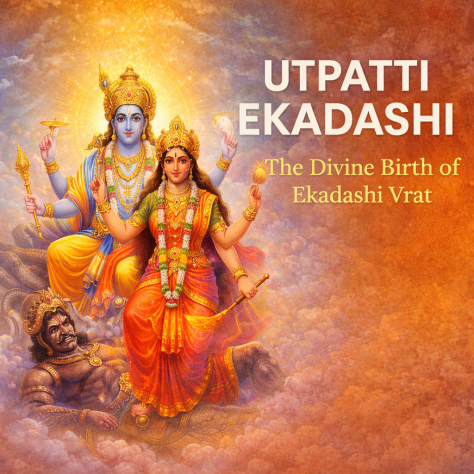
Utpatti Ekadashi holds a very special place in Vaishnavism (Vaishnava Dharma), as it marks the divine origin (utpatti) of the sacred Ekadashi vrat. Observed during the Krishna Paksha (waning phase) of the Margashirsha month (November–December), this Ekadashi is believed to be the very first among all Ekadashis.
According to the Padma Purana and Garga Samhita, a powerful demon named Mura had terrorized the three worlds and even challenged the gods. Unable to defeat him, the gods sought refuge in Lord Vishnu.
During a fierce battle, Lord Vishnu entered a divine yogic sleep. From His spiritual energy emerged a radiant female form—Ekadashi Devi—who annihilated the demon Mura. Pleased by her devotion and strength, Lord Vishnu granted her a boon:
Observing Utpatti Ekadashi vrat is believed to:
Destroy accumulated sins
Purify the mind and soul
Increase devotion and discipline
Grant spiritual merit equal to all other Ekadashis combined
For Vaishnav devotees, it is a powerful opportunity to begin or renew their Ekadashi vrat journey.
On Utpatti Ekadashi, devotees:
Observe nirjala (waterless) or phalahar fasting
Chant Vishnu Sahasranama and Hare Krishna Mahamantra
Read Ekadashi vrat katha
Stay awake at night in bhajan and kirtan
Avoid grains, beans, and lentils
Unlike other Ekadashis that are associated with specific leelas or blessings, Utpatti Ekadashi represents the birth of Ekadashi itself. Observing it with faith is considered especially auspicious for beginners and lifelong devotees alike.

Comments (0)
To comment, please Login