03th Feb 2026
Jaya Ekadashi: The Sacred Vrat of Victory and Liberation
Jaya Ekadashi is a highly auspicious Ekadashi observed in Sa...
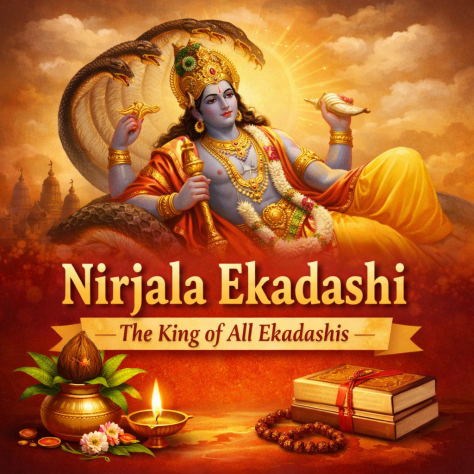
Nirjala Ekadashi is considered one of the most powerful and sacred Ekadashis in Sanatan Dharma. Observed during the Shukla Paksha of the Jyeshtha month (May–June), this Ekadashi is dedicated to Lord Vishnu and is known for its strict observance of fasting without food and water.
The word Nirjala means “without water”, highlighting the unique and intense nature of this vrat.
According to the Mahabharata, Nirjala Ekadashi is also known as Bhimseni Ekadashi. The story tells that Bhima, one of the Pandavas, found it difficult to observe all Ekadashi fasts throughout the year due to his strong appetite.
On the advice of Sage Vyasa, Bhima observed a single strict fast without food and water on Nirjala Ekadashi. It is believed that observing this one Ekadashi with complete devotion grants the merit of observing all 24 Ekadashis of the year.
Thus, Nirjala Ekadashi is regarded as the king of Ekadashis.
Observing Nirjala Ekadashi vrat is believed to:
Grant the spiritual merit of all Ekadashis
Destroy accumulated sins
Bring divine blessings of Lord Vishnu
Lead toward liberation (moksha)
Strengthen willpower and self-discipline
It represents ultimate faith and surrender to the divine.
Devotees observe Nirjala Ekadashi with strict discipline:
Complete Fast: No food and no water for 24 hours
Worship: Offering tulsi leaves, flowers, and lamps to Lord Vishnu
Prayers: Reciting Vishnu Sahasranama and Ekadashi vrat katha
Charity: Donating water, food, clothes, and essentials
Breaking the Fast: On Dwadashi after proper rituals

Comments (0)
To comment, please Login